
Transcript
Announcer:
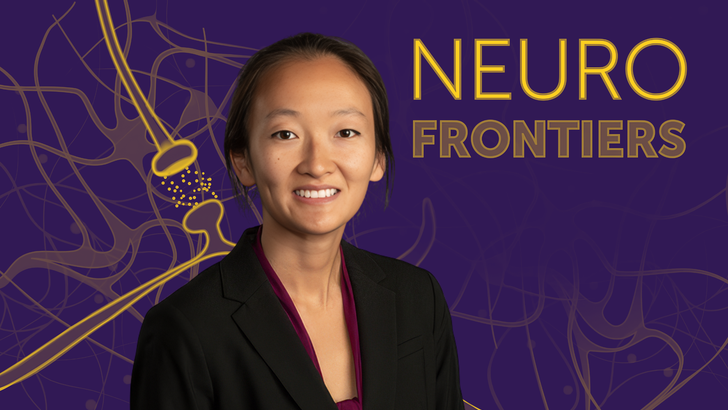
Welcome to NeuroFrontiers on ReachMD. Today, we’ll learn about individualizing myasthenia gravis treatment from Dr. Qihua Fan. Dr. Fan is an Assistant Professor in the Department of Neurology at Virginia Commonwealth University in Richmond, and she spoke about this topic at the AANEM 2026 Annual Meeting. Let’s hear from her now.
Dr. Fan:
As new therapies have emerged and are still coming out and expanding our treatment options, I think there are a couple of aspects of care and goals that we should think about.
So, number one is, how quickly does the treatment kick in, and how long does it last for? For example, if somebody is in crisis or has a lot of symptom burden, it probably doesn't make sense to put them on a treatment that takes six months to take effect. And it probably also doesn't make a ton of sense to put them on a very frequent, burdensome therapy if we know that their disease is going to be active for a long time.
So that brings us to the second point to consider, which is, what are the downsides and the burdens of this treatment option? We don't want the treatment to be more cumbersome than the disease. Does this treatment meet the patient's goals and address the patient's risk tolerance for complications, MG symptoms, or cost, for example?
And then, number three: we should think about whether this treatment option addresses upstream pathogenesis or downstream effect. And does that alter their MG disease trajectory and disease experience at all? So, for example, if somebody has minimal symptoms, and they just need a little bit more help managing their symptoms, maybe it makes sense for them to be on a not-particularly-cumbersome therapy that kicks in pretty quickly. On the flip side, if somebody has really significant disease burden, does it make sense to put them on a downstream effect-targeted therapy and not address immunosuppression and pathogenesis of an autoimmune disease?
I think we still have a lot of work to do in having a conversation and developing data and guidelines to answer those questions. But I think, though, that's the framework in which we should think about the treatment options.
Announcer:
That was Dr. Qihua Fan talking about how to navigate emerging treatment options for myasthenia gravis. To access this and other episodes in our series, visit NeuroFrontiers on ReachMD.com, where you can Be Part of the Knowledge. Thanks for listening!

